
Maintaining good oral hygiene goes far beyond brushing and flossing at home. Regular dental visits play a critical role in protecting your teeth, gums, and overall health. Routine appointments allow dentists to identify early signs of dental concerns, provide professional cleaning, and recommend preventive strategies that help patients maintain healthy smiles for years.
Many people delay appointments until discomfort appears. However, understanding the importance of dental checkups can help prevent serious complications and costly treatments. Through preventive dental care and consistent routine dental visits, patients benefit from improved oral hygiene, better disease prevention, and stronger long-term health outcomes.
Why Regular Dental Checkups Are Essential for Overall Health
The Connection Between Oral Health and Overall Health
Oral health is closely linked to the health of the entire body. Bacteria that accumulate in the mouth can enter the bloodstream through inflamed gums and contribute to various systemic conditions. When individuals maintain regular dental visits, dentists can monitor oral bacteria levels, detect gum disease early, and help reduce potential health risks.
Research has shown that poor oral health may be associated with heart disease, diabetes complications, and respiratory issues. This is why understanding the oral health benefits of routine checkups is so important. Healthy gums and teeth support proper nutrition, comfortable speech, and reduced infection risk.
Preventive Care vs. Emergency Dental Treatment
One of the most significant advantages of preventive dental care is avoiding emergency procedures. Routine exams help identify cavities, gum disease, enamel wear, and other concerns before they worsen.
When dental problems go unnoticed, they often lead to more invasive treatments such as root canals, tooth extractions, or gum surgery. Preventive appointments allow dentists to intervene early with conservative treatments that are less complex and more cost-effective. Regular monitoring also helps preserve natural teeth and maintain optimal oral function.
Health Benefits of Routine Dental Visits
Early Detection of Dental Problems
One of the most important oral health benefits of routine dental visits is the ability to detect dental problems early. Dentists examine teeth, gums, jaw alignment, and soft tissues during each appointment.
Early detection allows dentists to treat issues such as cavities, gum disease, cracked teeth, or oral infections before they progress. In many cases, catching these problems early prevents pain, reduces treatment time, and protects surrounding teeth and tissues.
Professional Cleaning for Better Oral Hygiene
Even with consistent brushing and flossing, plaque and tartar can accumulate in areas that are difficult to reach. Professional dental cleanings remove hardened deposits that contribute to cavities and gum disease.
Dental hygienists use specialized tools to clean below the gumline and polish tooth surfaces. This process reduces bacterial buildup and helps maintain fresh breath and healthier gums. Consistent cleanings also support the long-term success of home oral hygiene routines.
Protecting Teeth and Gums as You Age
As people age, their dental needs often change. Enamel may weaken, gums may recede, and certain medications can affect saliva production. Regular dental visits allow dentists to monitor these changes and recommend treatments to protect teeth and gums.
Routine exams can identify early signs of tooth wear, gum recession, and oral infections. Dentists may suggest fluoride treatments, dental sealants, or adjustments in oral hygiene routines to help maintain strong teeth throughout adulthood.
How Dental Health Affects Your Whole Body
Heart Disease and Gum Disease Connection
Several studies have shown a connection between gum disease and cardiovascular conditions. Bacteria from infected gums can enter the bloodstream and contribute to inflammation in blood vessels. This inflammation may increase the risk of heart disease and stroke.
Maintaining preventive dental care helps control gum disease and reduces bacterial levels in the mouth. By protecting gum health, patients may also reduce potential risks related to cardiovascular health.
Diabetes and Oral Health
People with diabetes are more susceptible to gum disease and oral infections. Elevated blood sugar levels can weaken the body’s ability to fight bacteria in the mouth.
Regular dental checkups help monitor gum health and detect signs of infection early. Dentists may also work with patients to adjust oral hygiene routines and support better control of oral health in individuals managing diabetes.
Oral Health and Immune System Support
The immune system constantly works to control harmful bacteria in the body. Poor oral hygiene can increase bacterial load, forcing the immune system to work harder.
Through routine dental visits, dentists help reduce bacteria in the mouth through professional cleanings and preventive treatments. This supports the body’s natural defenses and promotes better overall health.

Recommended Frequency for Dental Visits
Standard Recommendation for Most Patients
Most dental professionals recommend visiting the dentist every six months for routine exams and cleanings. This schedule allows dentists to monitor oral health changes and provide consistent preventive dental care.
Regular appointments also help reinforce healthy habits and allow dentists to identify small issues before they become larger problems.
When More Frequent Visits Are Needed
Some patients may require more frequent dental visits based on their oral health needs. Individuals with gum disease, frequent cavities, or certain medical conditions may benefit from visits every three to four months.
Dentists may also recommend additional appointments for patients undergoing orthodontic treatment, recovering from oral surgery, or managing chronic oral health concerns.
What to Expect During a Routine Dental Appointment
Comprehensive Oral Examination
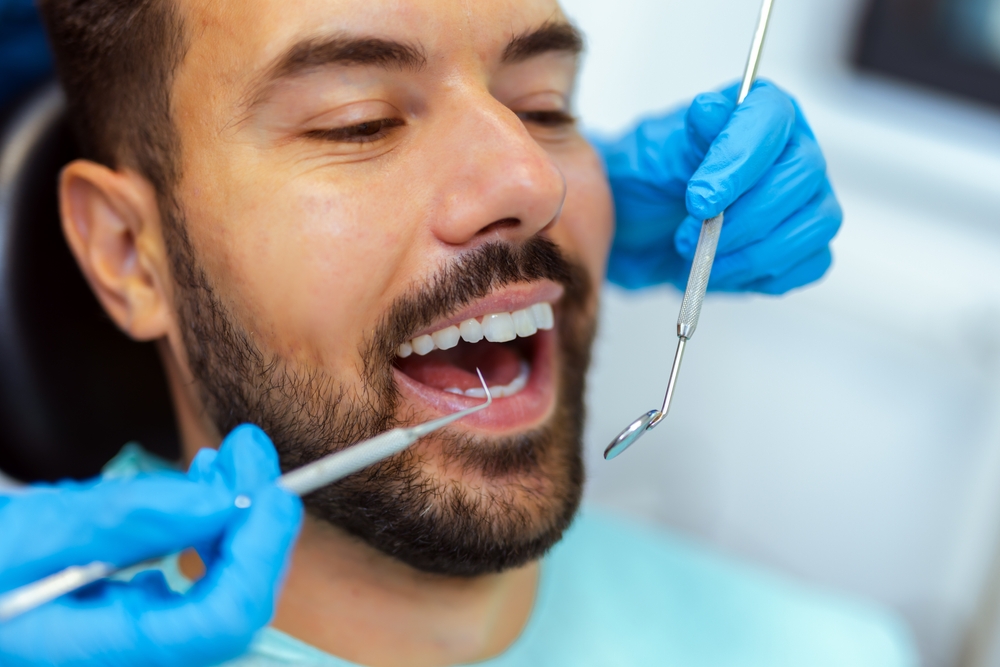
A routine dental visit usually begins with a detailed examination of the mouth. Dentists evaluate teeth, gums, tongue, jaw joints, and surrounding tissues.
This assessment helps detect cavities, gum inflammation, bite problems, and signs of oral disease. Dentists may also review medical history and discuss any symptoms the patient has experienced since the previous visit.
Professional Teeth Cleaning
Professional cleaning is a key part of routine dental visits. Dental hygienists remove plaque and tartar buildup that brushing alone cannot eliminate.
The cleaning process typically includes scaling, polishing, and sometimes fluoride treatments to strengthen enamel and reduce cavity risk.
Personalized Oral Health Advice
Each dental visit provides an opportunity for personalized guidance from experts like Dr. Saif Shere. He may recommend improvements to brushing techniques, flossing routines, or dietary habits tailored to each patient’s unique needs.
Patients under Dr. Shere’s care can also ask questions about dental concerns, cosmetic treatments, or preventive strategies to maintain long-term oral health. His guidance ensures that every patient leaves the appointment with a clear plan to protect their teeth and gums between routine dental visits.
Tips to Maintain Oral Health Between Dental Visits
Daily Oral Care Habits
Consistent oral hygiene is essential for maintaining the benefits of regular dental visits. Brushing twice daily with fluoride toothpaste and flossing once per day helps remove plaque and prevent gum inflammation.
Using antibacterial mouthwash may also help reduce harmful bacteria and improve breath freshness.
Diet and Lifestyle for Healthy Teeth
Diet plays an important role in oral health. Limiting sugary foods and acidic beverages helps protect enamel and reduce cavity risk.
Drinking water, eating crunchy fruits and vegetables, and maintaining a balanced diet can support healthier teeth and gums. Avoiding tobacco products also significantly reduces the risk of gum disease and oral cancer.
Recognizing Early Warning Signs
Patients should be aware of the early signs of dental problems between visits. Symptoms such as bleeding gums, persistent bad breath, tooth sensitivity, or jaw discomfort may indicate underlying issues.
Seeking dental care promptly when these symptoms appear can prevent more serious complications.
Investing in Dental Care for Long-Term Health
Maintaining consistent regular dental visits is one of the most effective ways to protect both oral and overall health. According to Dr. Saif Shere, a trusted dental professional, routine exams allow dentists to detect problems early, provide professional cleaning, and recommend preventive treatments that keep teeth and gums healthy.
The importance of dental checkups extends far beyond maintaining a bright smile. Through preventive dental care and regular monitoring, patients experience lasting oral health benefits that support long-term wellness. By committing to routine dental visits, individuals take an important step toward preserving their health, confidence, and quality of life. Book an appointment with Dr. Shere today!
References
- American Dental Association. Oral Health Topics and Preventive Care.
- American Dental Association – Home Oral Care Recommendations
- American Dental Association – Preventive Dental Services and Overall Health
Frequently Asked Questions
How often should adults visit the dentist?
Most adults should schedule regular dental visits every six months for examinations and professional cleaning. This frequency helps maintain oral health and allows dentists to detect issues early.
Can dental visits help detect other health conditions?
Yes. Dentists often identify signs of systemic health conditions during oral examinations. Symptoms related to diabetes, vitamin deficiencies, and certain infections may appear in the mouth before other symptoms develop.
Are dental checkups necessary if I have no pain?
Yes. Many dental problems develop without noticeable pain in their early stages. Routine dental visits allow dentists to detect cavities, gum disease, and other issues before they cause discomfort or require complex treatment.