
A smile makeover plan is a customized approach to improving your smile’s appearance, function, and overall balance through carefully selected dental treatments. Instead of using the same combination of procedures for every patient, dentists develop a plan around individual concerns such as tooth discoloration, chips, gaps, worn teeth, gum shape, and alignment. A comprehensive evaluation helps determine which treatments are appropriate and how to sequence them.
This guide explains how a cosmetic dentistry treatment plan is developed, what treatments it may include, and what to expect throughout the process.
What Is a Smile Makeover Plan and How Is It Customized?
A smile makeover plan is a coordinated treatment strategy designed around a person’s specific dental needs, aesthetic goals, and long-term oral health. It can combine one or more cosmetic dental procedures to create a more balanced, natural-looking smile.
The treatment may focus on the front teeth, gums, bite, tooth replacement, or the overall appearance of the smile. A dentist considers clinical findings alongside your preferences before recommending specific treatments.
What Dental Concerns Can a Smile Makeover Address?
A smile makeover can address multiple aesthetic and functional concerns at the same time, including discoloration, uneven teeth, chips, gaps, worn enamel, missing teeth, and excessive or uneven gum display. Treatment can also address concerns related to tooth proportions, alignment, bite, and the visual balance between the teeth and surrounding facial features.
Common concerns include:
- Stained or discolored teeth
- Chipped or cracked teeth
- Small, worn, or uneven teeth
- Gaps between teeth
- Mild tooth crowding
- Missing teeth
- Irregular tooth shapes
- Uneven gum contours
- Excessive gum display
- Worn or damaged dental restorations
How Is a Smile Makeover Plan Customized?
A customized smile makeover is developed by evaluating your oral health, aesthetic preferences, facial characteristics, tooth proportions, bite, timeline, and budget. These factors determine which treatments are appropriate and how they should work together in a personalized dental treatment plan.
A dentist may use photographs, digital scans, X-rays, clinical examinations, and digital planning tools to evaluate the smile from several perspectives. The final recommendations should reflect both your desired appearance and the condition of your teeth and gums.
Your Smile Goals and Personal Preferences
Your personal smile goals provide the starting point for treatment planning because the desired result can vary significantly from patient to patient. During planning, you can discuss preferences involving tooth color, shape, symmetry, brightness, spacing, and the overall character you want your smile to have.
Current Teeth and Gum Health
Healthy teeth and gums are essential before many cosmetic treatments begin because underlying dental problems can affect treatment results and longevity. Cavities, gum disease, infections, damaged teeth, or other concerns may need attention before cosmetic procedures are considered.
Tooth Shape, Size, and Proportion
Tooth shape and proportion are evaluated so that cosmetic changes complement the surrounding teeth instead of appearing oversized, undersized, or visually disconnected. Dentists may assess tooth width, height, symmetry, spacing, and the relationship between the upper and lower teeth when developing the plan.
Facial Features and Smile Design
Facial features influence how tooth shape, length, color, and alignment appear, making smile design an important part of customized treatment planning. Dentists may consider facial symmetry, lip position, smile line, gum display, and other visible characteristics when planning the final appearance.
Bite and Tooth Alignment
Your bite and tooth alignment can influence which cosmetic treatments are suitable and how they should be performed. Orthodontic treatment or clear aligners may be recommended before restorative or cosmetic procedures when tooth position needs correction.
Budget, Timeline, and Treatment Priorities
Budget and timing help determine which treatments to complete first and which improvements to stage for later. A dentist can prioritize essential dental care, high-impact cosmetic changes, and longer-term treatment goals within a realistic personalized dental treatment plan.
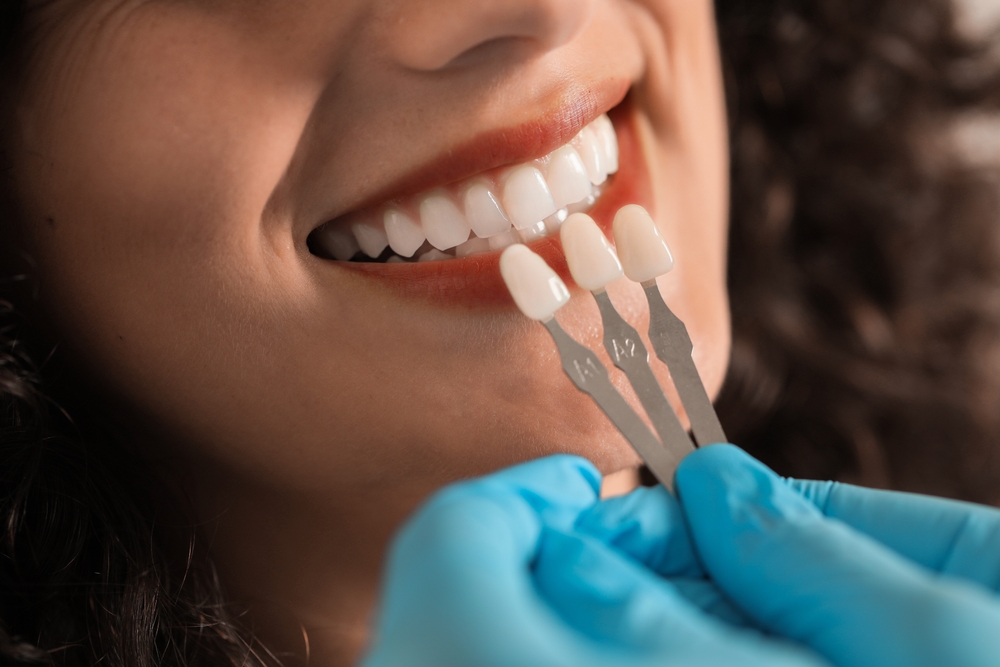
What Treatments Can Be Included in a Smile Makeover Plan?
A smile makeover may include one treatment or several coordinated procedures depending on the patient’s needs and goals. The most appropriate combination is selected after evaluating oral health, tooth structure, alignment, gum appearance, facial proportions, and the desired outcome.
Professional Teeth Whitening
Professional teeth whitening can brighten natural teeth by reducing certain types of surface and internal discoloration. It is often considered when the primary concern is tooth color and can also help establish a desired shade before other cosmetic treatments.
Dental Veneers
Dental veneers are thin restorations designed to improve the visible appearance of teeth by changing characteristics such as color, shape, size, and minor spacing. They may be considered for teeth with discoloration, chips, uneven shapes, or other cosmetic concerns after an evaluation of the underlying teeth.
Dental Bonding
Dental bonding uses tooth-colored composite material to repair or reshape selected areas of teeth with relatively conservative treatment. It can be useful for minor chips, small gaps, irregular edges, and subtle changes to tooth shape.
Dental Crowns
Dental crowns cover and protect teeth that require more extensive structural restoration while also improving their visible appearance. They may be included when a tooth has significant damage, extensive wear, a large existing restoration, or insufficient structure for a more conservative option.
Clear Aligners or Orthodontic Treatment
Clear aligners or orthodontic treatment can reposition teeth to improve alignment, spacing, and certain bite concerns. Moving teeth into a more favorable position can sometimes create a stronger foundation for subsequent cosmetic or restorative treatment.
Dental Implants or Tooth Replacement
Dental implants can replace missing teeth by supporting restorations that function and look like natural teeth. Tooth replacement may become an important part of a smile makeover when missing teeth affect appearance, chewing ability, spacing, or overall dental balance.
Gum Contouring
Gum contouring reshapes excess or uneven gum tissue to create a more balanced relationship between the gums and visible tooth surfaces. Consider it when uneven gum levels or excessive gum display affect your smile’s proportions.
What Happens During a Smile Makeover Consultation?
A smile makeover consultation typically involves discussing your goals, examining your oral health, evaluating your smile, reviewing treatment options, and developing a proposed treatment sequence. The process gives you an opportunity to understand why specific procedures are recommended and how they may contribute to the desired result.
Step 1: Discussing Your Smile Concerns
The first step is discussing what you want to change and what you like or dislike about your current smile. Your dentist may ask about tooth color, shape, spacing, alignment, missing teeth, gum appearance, previous dental work, and your preferred outcome.
Step 2: Comprehensive Dental Examination
A comprehensive examination identifies dental and gum conditions that could affect the proposed treatment. Depending on your needs, the evaluation may include photographs, digital scans, X-rays, bite analysis, periodontal assessment, and examination of existing restorations.
Step 3: Creating a Personalized Smile Design
The dentist uses the information gathered during the evaluation to create a personalized vision for the proposed smile. Digital planning, photographs, measurements, and other diagnostic information may help evaluate tooth proportions, spacing, color, gum display, and the relationship between your smile and facial features.
Step 4: Reviewing Treatment Options
We review treatment options based on your clinical needs, goals, timeline, and budget. You can compare the purpose, benefits, limitations, expected maintenance, estimated treatment time, and potential costs associated with different approaches.
Step 5: Finalizing the Smile Makeover Plan
The final plan establishes which treatments will be performed, the order of care, and the expected milestones throughout treatment. Clear communication at this stage helps align your expectations with the clinical recommendations before treatment begins.
In What Order Are Smile Makeover Treatments Performed?
Smile makeover treatments are generally performed in an order that addresses oral health and foundational concerns before final cosmetic refinements. The sequence varies, but a plan may follow this general progression:
- Oral health treatment: Address cavities, gum disease, infections, or other dental concerns.
- Tooth alignment: Complete orthodontic treatment or clear aligner therapy when needed.
- Tooth replacement: Address missing teeth with implants or other restorative options.
- Gum treatment: Complete gum contouring or periodontal care when appropriate.
- Tooth preparation: Prepare teeth for veneers, crowns, bonding, or other restorations.
- Cosmetic finishing: Complete whitening, restorations, polishing, and final adjustments.
Treatment sequencing is customized because certain procedures can affect the position, color, shape, or structure of other teeth.
How Long Does a Smile Makeover Plan Take?
The timeline can range from several weeks to many months depending on the number and complexity of treatments included. Professional whitening or bonding may require relatively little time, while orthodontics, implant treatment, healing periods, and multiple restorative procedures can extend the overall schedule.
A dentist can provide a more specific estimate after completing the examination and determining the treatment sequence. Your desired deadline can also influence how procedures are prioritized.
How Much Does a Customized Smile Makeover Cost?
The cost of a customized smile makeover depends on the required treatments, the number of teeth involved, the case’s complexity, the materials selected, and any preliminary dental care needed. A plan involving professional whitening and bonding typically has a different cost structure than one involving veneers, orthodontics, implants, or multiple crowns.
Ask for an itemized estimate that identifies:
- Each recommended procedure
- Number of teeth being treated
- Material and restoration type
- Diagnostic and planning costs
- Additional dental care
- Expected maintenance
- Payment or financing options
Because every plan is different, a personalized estimate is more useful than relying on a single advertised package price.
Is a Smile Makeover Only Cosmetic?
A smile makeover can have cosmetic and functional goals, particularly when treatment addresses damaged, worn, misaligned, or missing teeth. Restorative procedures may improve chewing, tooth protection, bite relationships, or dental stability while also contributing to a more attractive smile.
The cosmetic component focuses on visual characteristics such as tooth color, shape, proportion, symmetry, and gum display. The functional component focuses on how the teeth, gums, jaw, and restorations work together.
How Do Dentists Keep a Smile Makeover Looking Natural?
Dentists create natural-looking results by considering tooth proportions, facial features, translucency, color, gum contours, alignment, and the appearance of neighboring teeth. The goal is to create restorations that look appropriate within the entire smile rather than making every tooth identical.
Natural smiles contain subtle variations in shape, texture, and color. Careful smile design can preserve these characteristics while correcting the concerns that matter most to the patient.
For patients considering comprehensive cosmetic treatment, Dr. Saif Shere can help evaluate the relationship between individual cosmetic concerns and the overall appearance of the smile before treatment decisions are made.

Who May Be a Good Candidate for a Smile Makeover Plan?
A good candidate generally has realistic expectations, adequate oral health, and specific concerns that cosmetic or restorative dentistry can address. Patients may consider treatment for discoloration, worn teeth, chips, gaps, uneven teeth, missing teeth, or other concerns affecting their smile.
Good candidates typically:
- Maintain regular dental care
- Have manageable oral health conditions
- Understand the limitations of cosmetic treatment
- Have clear aesthetic goals
- Are prepared to maintain their results
- Understand the recommended treatment timeline
A consultation is necessary to determine candidacy because the appropriate treatment depends on individual clinical findings.
How to Maintain Your Smile After a Smile Makeover
Maintaining your results requires consistent oral hygiene, professional dental care, and habits that protect your teeth and restorations. Brushing twice daily with fluoride toothpaste, cleaning between teeth, attending dental appointments, and following your dentist’s recommendations can help protect your smile.
Additional maintenance may include:
- Wearing a nightguard when recommended
- Limiting habits that can damage restorations
- Avoiding using teeth as tools
- Managing foods and drinks that contribute to staining
- Scheduling professional cleanings
- Replacing or repairing aging restorations when necessary
A restoration’s lifespan depends on the material, location, bite forces, oral hygiene, and daily habits.
Questions to Ask Before Starting a Smile Makeover Plan
Ask detailed questions before beginning treatment so you understand the proposed procedures, expected results, risks, timeline, costs, and maintenance requirements. Important questions include:
- Which treatments do I actually need?
- Why is each procedure being recommended?
- What happens if I complete only part of the plan?
- How long will the entire treatment take?
- Can I preview the proposed result?
- What materials will be used?
- How long are the restorations expected to last?
- What maintenance will I need?
- What are the total estimated costs?
- Are there alternatives to the recommended treatments?
Choosing treatment based on a clear plan can make the process more predictable and help you make informed decisions about your dental care.
Frequently Asked Questions
What is included in a smile makeover plan?
A smile makeover plan may include teeth whitening, veneers, bonding, crowns, orthodontic treatment, dental implants, gum contouring, or other restorative and cosmetic procedures based on individual needs. The exact combination depends on an evaluation of oral health, tooth structure, alignment, facial proportions, aesthetic goals, and treatment priorities.
Is every smile makeover plan different?
Yes, every smile makeover plan can differ because patients have different dental conditions, aesthetic preferences, facial features, budgets, and treatment goals. Some people may need a single cosmetic procedure, while others may need several coordinated treatments.
How many treatments are needed for a smile makeover?
The number of treatments depends on the concerns being addressed and the desired outcome; some patients need a single procedure, while others need several. A dentist determines the right combination after a comprehensive examination and a customized treatment plan.
Can I see what my smile makeover will look like before treatment?
Many dental practices can use photographs, digital smile planning, simulations, mock-ups, or temporary restorations to help patients visualize potential results before definitive treatment. The available preview method depends on the procedures being considered and the technology the dental practice uses.
How long does a smile makeover last?
The longevity of a smile makeover depends on the procedures performed, the materials used, oral hygiene, bite forces, diet, habits, and ongoing professional dental care. Some treatments can last for many years, but restorations may eventually require maintenance, repair, replacement, or refinement.
A well-planned smile makeover starts with understanding your dental needs and setting realistic goals for your final result. For patients considering a comprehensive smile transformation, working with Dr. Saif Shere can provide a personalized approach that connects cosmetic goals with careful dental planning and long-term smile care. Contact us today!


